Quilting is entering a quieter, more intentional era. If you’ve been feeling tired of tiny pieces, stark white backgrounds, or overly busy quilts, you’re not imagining things. As we head into 2026, quilting trends are shifting — not toward complexity, but toward clarity.
This 2026 quilting forecast breaks down what’s changing, why it matters, and how you can adapt your quilting approach so your quilts feel modern, timeless, and enjoyable to make.
What Is Changing in Quilting for 2026?
For the past several years, quilting has leaned heavily into scrappy designs, high contrast, and intricate piecing. While those styles still have their place, many quilters are craving something different: quilts that feel calm, confident, and visually strong without requiring hundreds of tiny cuts.
The biggest shift for 2026 isn’t about abandoning skill or precision. It’s about using those skills more deliberately.
Why Quilting Is Moving Away From Stark White in 2026
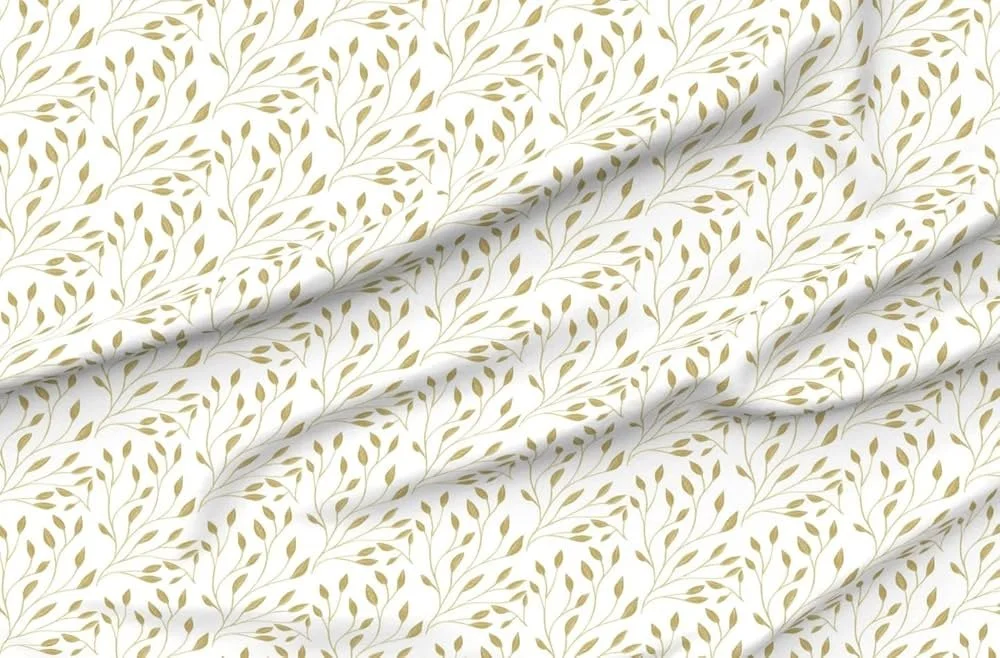

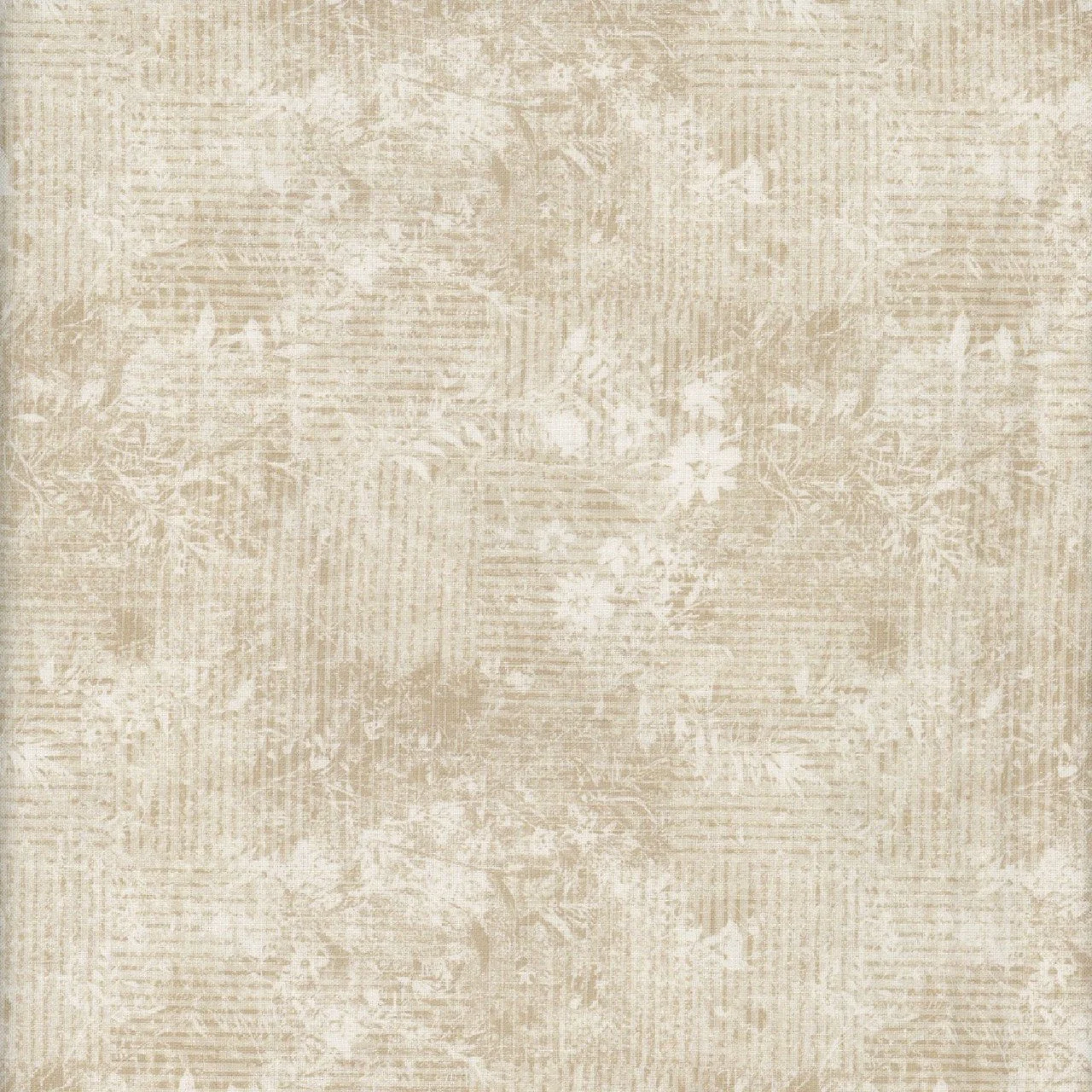
One of the most noticeable changes in modern quilting is the move away from stark, bright white backgrounds. In their place, warmer off-whites and creamy neutrals are becoming the new standard.
Why this matters:
Softer whites reduce harsh contrast
Seams appear calmer and more intentional
Quilts photograph better and age more gracefully
This small change alone can dramatically modernize a quilt, even if the block design stays traditional.
What Colors Will Be Popular in Quilting in 2026?
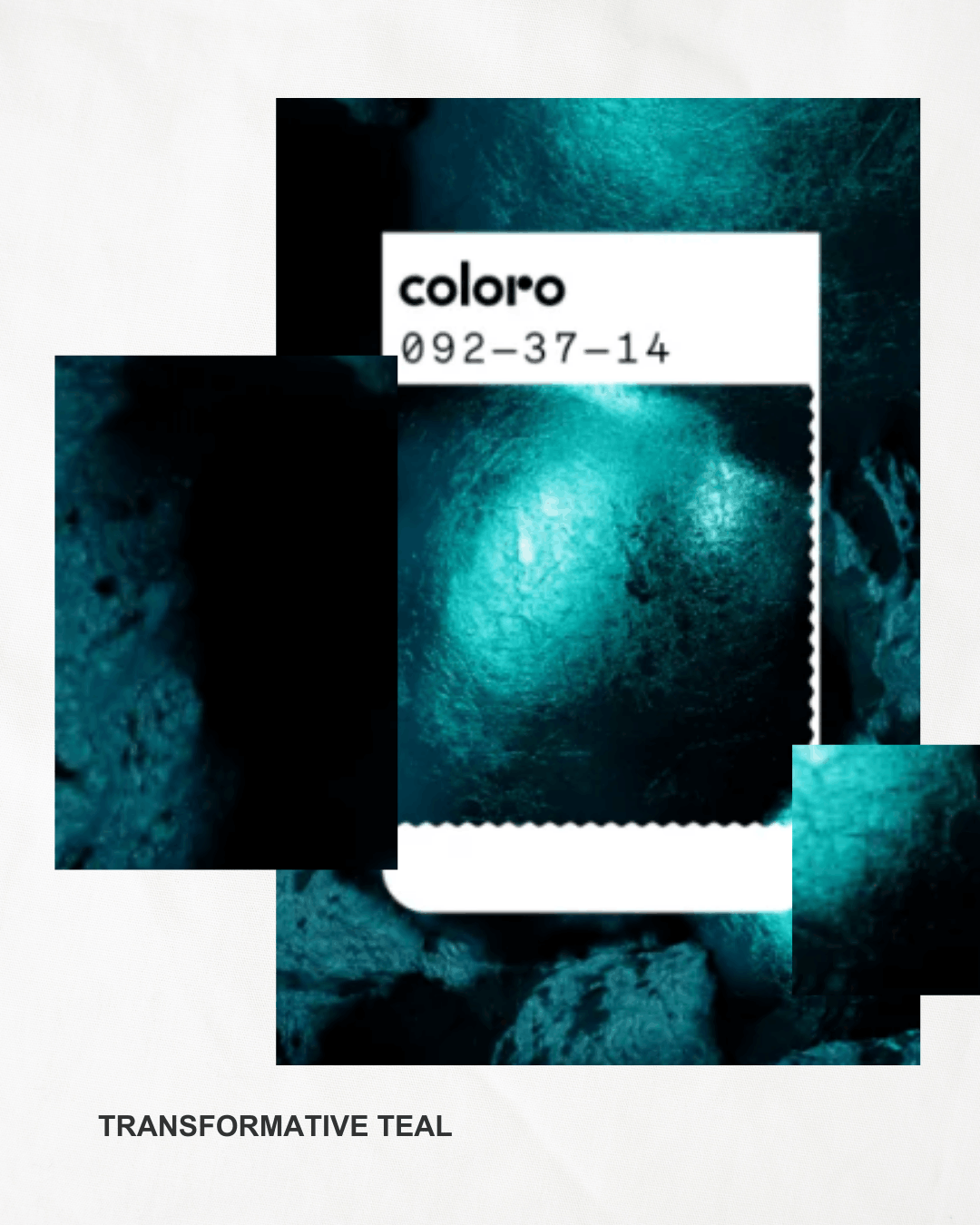
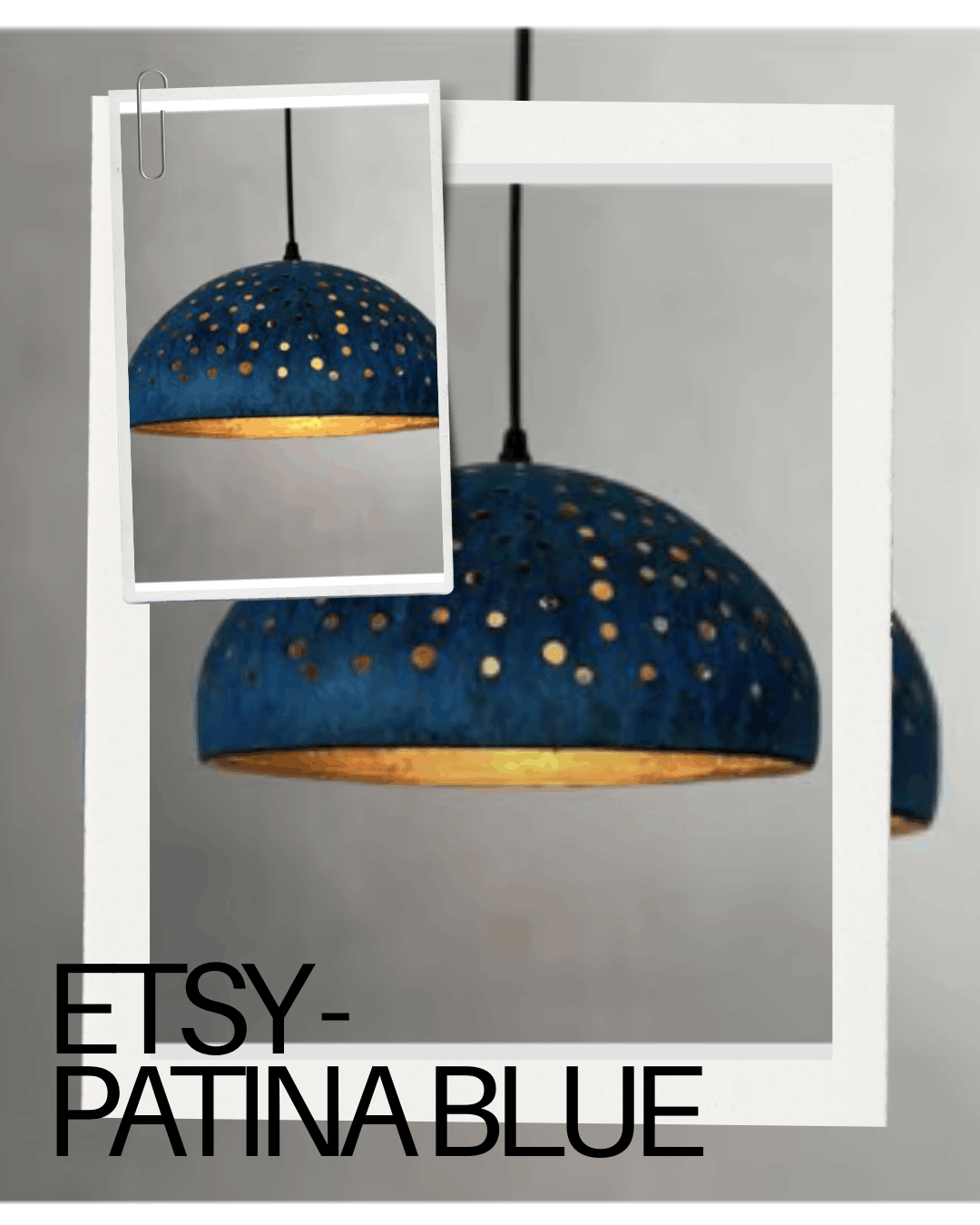
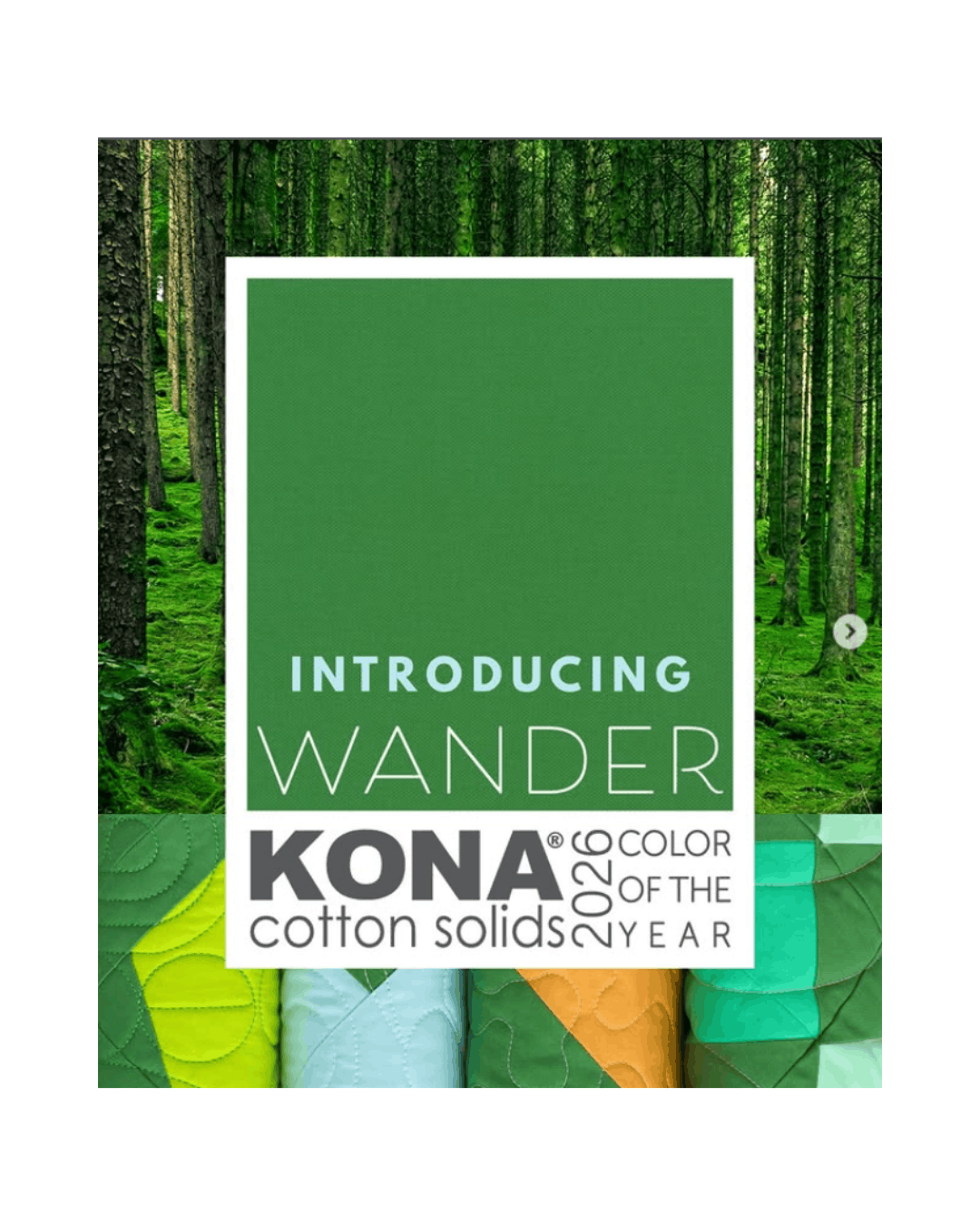
Color trends for 2026 favor depth and confidence over brightness. Instead of loud, high-energy colors, expect to see:
Blue-greens like teal and aventurine
Earthy eucalyptus greens rather than dusty sage
Deep plum tones acting as rich neutrals
These colors work especially well in quilts because they:
Highlight quilting texture
Hide minor seam irregularities
Feel timeless rather than trendy
Are Large-Scale Quilt Blocks a Trend in 2026?
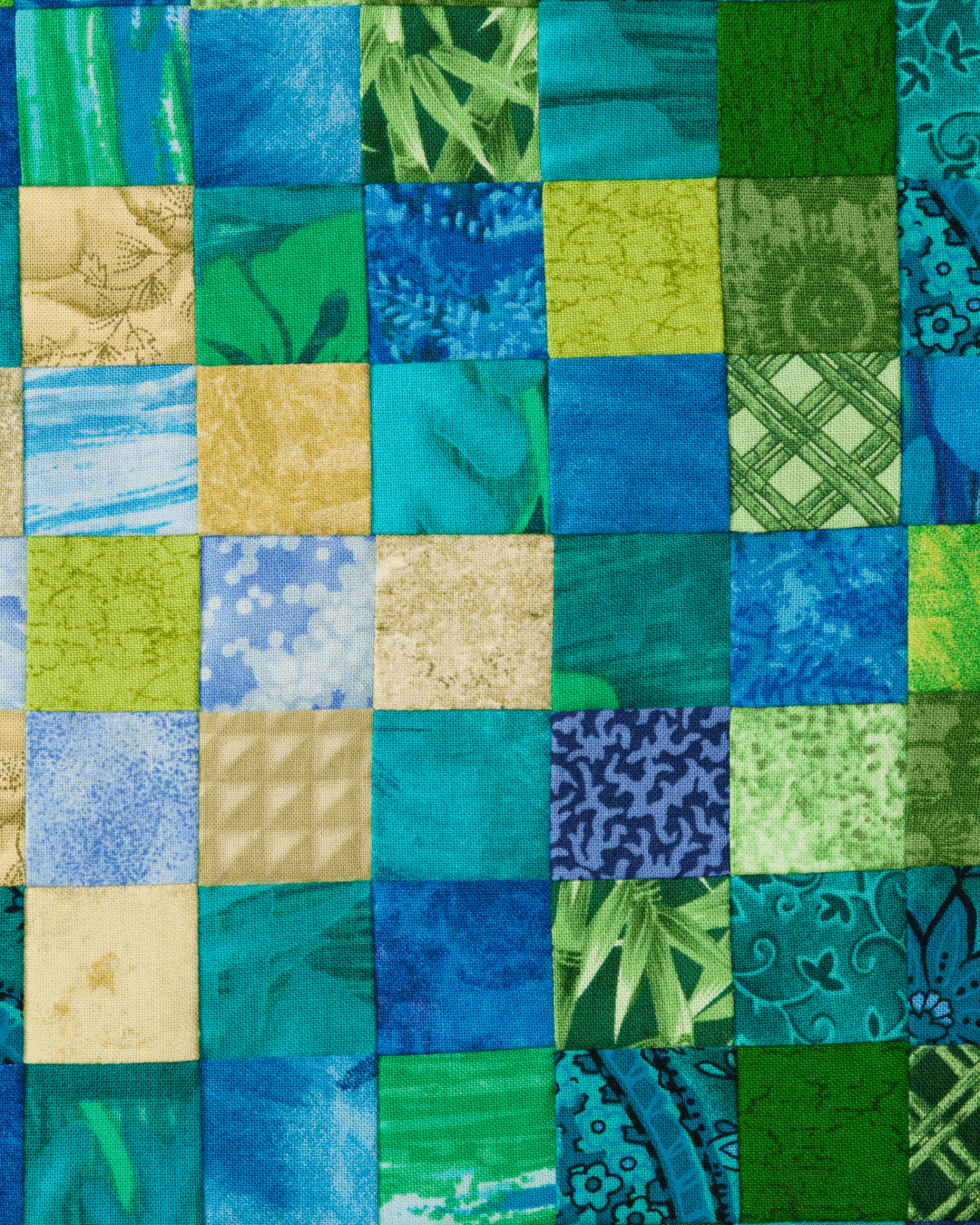
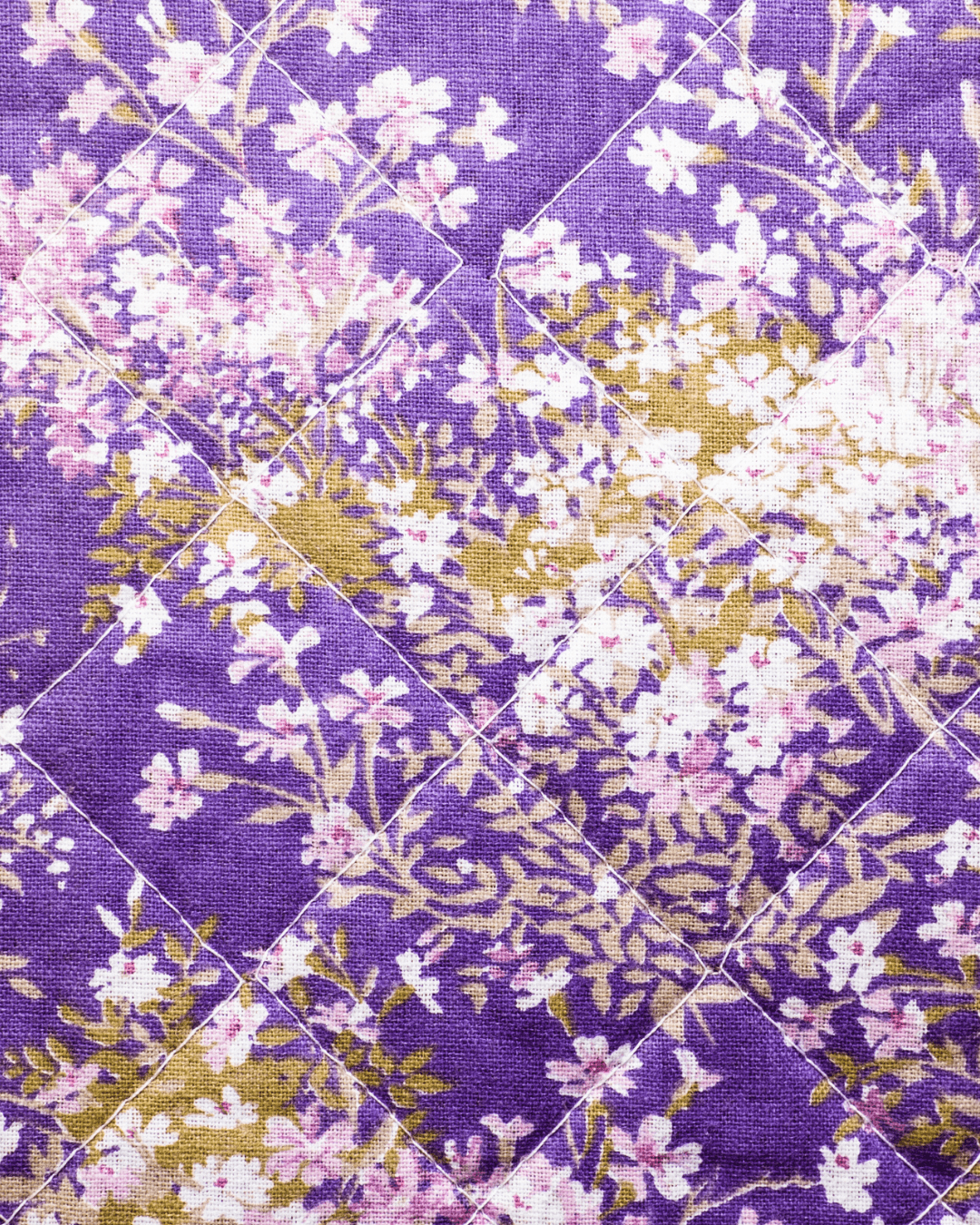
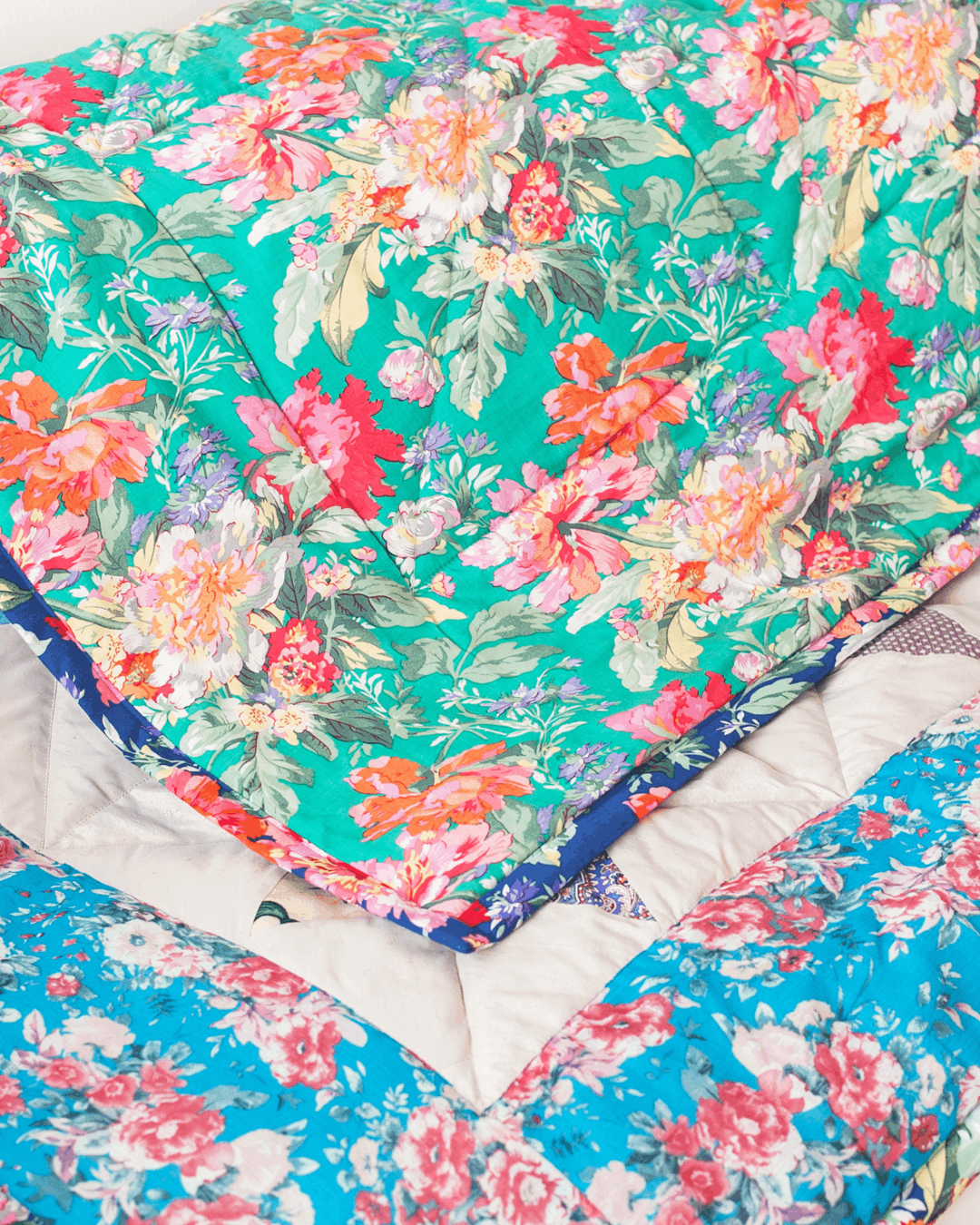
Another major trend shaping 2026 quilting is scale. Quilters are moving away from chopping fabric into tiny pieces and instead letting prints and shapes speak for themselves.
Large-scale piecing offers several advantages:
Faster quilt tops
Fewer seams and less bulk
Strong visual impact from across the room
Importantly, this shift doesn’t eliminate precision. It simply redirects it toward proportion, balance, and fabric placement.
Same Skills, New Perspective
One of the most reassuring aspects of the 2026 quilting forecast is that nothing you already know is wasted. Flying geese, half-square triangles, and classic blocks are still relevant — they’re just being used differently.
By scaling blocks up and pairing them with intentional fabric choices, quilters can achieve a dramatically more modern look without learning entirely new techniques.
How to Quilt Smarter in 2026: A Simple Strategy
Rather than chasing trends, consider these three guiding principles as you plan future quilts:
1. Choose Fabric Before the Block
Let fabric guide your design decisions instead of forcing fabric into a pattern.
2. Scale Before Adding Complexity
If a quilt feels busy or overwhelming, try making blocks larger before making them more intricate.
3. Let Space Do the Work
Negative space isn’t empty — it gives your design room to breathe and your quilting texture room to shine.
The quilts that stand out in 2026 will often look simple up close and powerful from across the room.
Quilting With Confidence Going Into 2026
Trends will always evolve, but quilts made with intention tend to last. By embracing softer neutrals, confident color palettes, and larger-scale designs, you can create quilts that feel current without feeling trendy.
If your goal is to quilt smarter — with less overwhelm and more satisfaction — these 2026 shifts offer a clear, encouraging direction forward.
Want to see these ideas in action? Watch the full 2026 Quilting Forecast video on Straight Stitching, where I walk through fabric comparisons, block scaling, and real examples you can apply to your next quilt.