10 Quilting Myths Beginners Need to Stop Believing in 2026
You found a pattern you love. You sat down at your machine. And somewhere between the cutting mat and your first seam, a little voice crept in - am I doing this right?
Here's what I want you to know: that doubt is often less about your skill and more about the myths floating around in the quilting world. Well-meaning advice that makes beginners feel like they're already behind before they've even begun.
Let's clear the air. Here are 10 common quilting myths - and what's actually true instead.
Myth #1: You Have to Be Perfect to Be a Good Quilter
One crooked seam does not make you a bad quilter. It makes you a quilter.
New quilters often scroll through beautifully finished projects online and assume that anything less than flawless means they're failing. But quilting has always been a handmade craft - and handmade is not the same as perfect.
A finished quilt is better than a perfect quilt that never got made.
The goal isn't perfection. It's progress, practice, and joy.
Myth #2: More Expensive Fabric Makes a Better Quilt
This myth makes quilting feel expensive before you ever make your first cut.
Yes, fabric quality can matter. But for a beginner, the bigger difference comes from building skill - not spending more. Cutting accurately, pressing carefully, and getting comfortable with your machine will do more for your results than any premium fabric line.
Use what fits your budget. Take the pressure off. That's how you actually learn.
Myth #3: You Must Pre-Wash All Your Fabric
This one creates more confusion than almost anything else in beginner quilting spaces.
Here's the truth: pre-washing is a personal preference, not a universal rule. Some quilters always do it. Some never do. Some only pre-wash when they're concerned about color bleeding. What matters most is understanding your choice and staying consistent within a project.
You don't need to add extra steps just because someone else does.
Myth #4: Accurate Seams Come From Sewing Faster
Speed does not create accuracy. Control does.
When you're learning, slowing down helps you stay on your seam line, maintain a consistent allowance, and catch mistakes before they multiply. Speed tends to come naturally over time - after the motions start to feel familiar.
Slow quilting is not struggling. It is often the smartest way to build a solid foundation.
Myth #5: If Your Points Don't Match, You Did Something Wrong
Missing a point is not a sign of failure. It is a sign that you are learning a skill that takes practice.
Matching points is genuinely one of the harder parts of quilting, and it improves gradually - through repetition and small adjustments over time. A quilt without perfect points can still be beautiful, functional, and something you're proud to give or keep.
Do not let one imperfect intersection stop a project in its tracks.
Myth #6: You Need a Ruler for Everything
Walk into any quilt shop and it can feel like every technique requires a specialty tool. It doesn't.
To get started, you need four things: a sewing machine, a rotary cutter, a cutting mat, and a basic ruler. That's it. Everything else is optional - and often best added later, once you understand which tools would actually solve a problem you're having.
Learning with simple tools first builds stronger instincts. You understand the process instead of depending on gadgets to carry you through it.
Myth #7: Quilting Is Only for Patient, Detail-Oriented People
This myth makes people feel like they are not the "right type" of person for quilting before they even try.
But patience is not a requirement for starting. It's a result of practicing.
Quilting teaches focus, rhythm, and how to work through a process one step at a time. Many quilters begin feeling scattered or uncertain and grow into the craft through repetition. You don't have to arrive with calm and detail-orientation already built in. You can develop both as you go.
Myth #8: Patterns Are Only for Advanced Quilters
This myth keeps beginners away from one of the most helpful resources they have.
Patterns are not just for experienced quilters. Good beginner patterns are designed to teach - they reduce guesswork, walk you through the process, and help you build confidence with clear, step-by-step instructions.
When you're choosing a pattern, look for one that clearly indicates a beginner skill level. That's usually a sign the instructions include more explanation and more support - exactly what you need when you're starting out.
Myth #9: If It Doesn't Look Good Halfway Through, It Won't Look Good Finished
Almost every quilter has hit the ugly middle - that stage where the project looks awkward, unfinished, and nothing like what you envisioned.
That stage is real. It is also completely normal.
Many quilts don't come together visually until the layout is complete, the quilting is done, and the binding is on. What looks like a mess halfway through can become something genuinely beautiful by the end.
Do not judge your quilt too early. Keep going.
Myth #10: Quilting Has Strict Rules
This myth makes beginners nervous before they even understand what the "rules" are.
Quilting has traditions, and those traditions have real value. But many of the guidelines you'll hear are preferences - not requirements. They're starting points, not limits. Modern quilting in particular has shown how much creative space opens up when quilters feel free to explore, experiment, and adapt.
Quilting is personal. You are allowed - encouraged, even - to make it your own.
The Truth About Learning to Quilt
You are not doing it wrong. You are learning.
Every quilter starts somewhere. Every quilter makes imperfect blocks, misses a point, and has a project that takes longer than expected. That is not failure. That is what building a skill actually looks like.
Give yourself permission to learn slowly, work through mistakes, and grow one project at a time. That is how confidence is built - and it is exactly where you are supposed to be.
Ready to Keep Going?
If you're looking for beginner-friendly quilt patterns and step-by-step tutorials that walk you through the process with encouragement (not overwhelm), you're in the right place.
About the Author
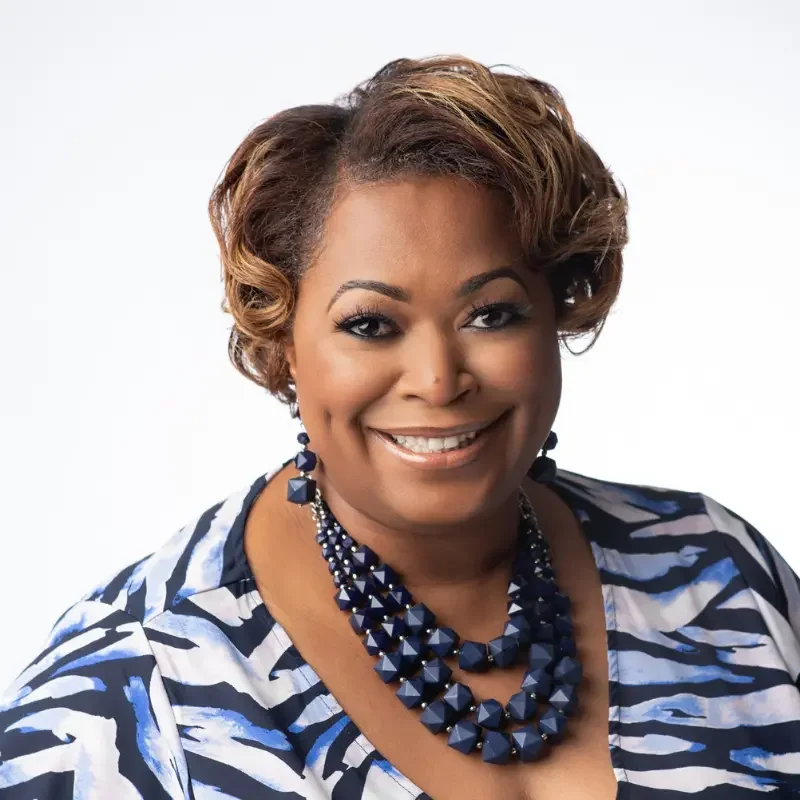
Tiffany Bynum is the pattern designer behind Straight Stitching, creating beginner-friendly PDF quilt patterns rooted in traditional techniques. Her work has been featured in Love of Quilting magazine, and she has designed patterns featured with Art Gallery Fabrics and Hoffman California Fabrics. Additionally, she is a 2026 Maywood Makers participant.